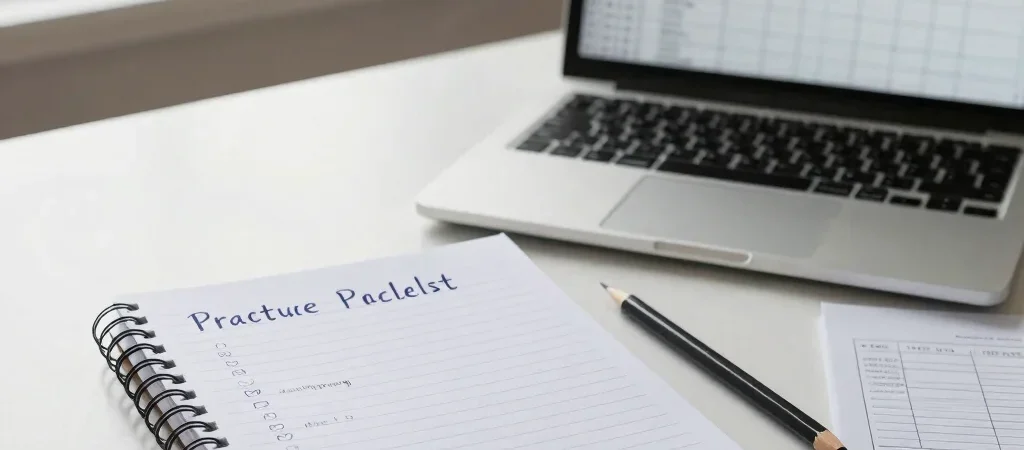
Before applying for a remote data-entry role, try entering a short set of sample records and then checking them against the source. It’s a practical way to notice whether you skip fields, transpose digits, or rush through names. The goal is not to claim experience you don’t have; it’s to understand and describe the skills you can demonstrate.
Practice Accuracy in Context
Create a small fictional table with names, dates, order numbers, and status fields, then transfer it into a spreadsheet or form. Compare each entry with the original, paying special attention to similar-looking digits, date formats, and blank fields. Repeat with a different format, because a careful workflow matters more than a single fast attempt.
Learn the Tools You Can Show
Practice sorting a spreadsheet, using basic filters, and keeping entries in a consistent format. If a posting names a particular database or company system you haven’t used, don’t imply that you know it; instead, describe related tools you have used and how you learn new workflows. A concrete example—such as organizing a volunteer sign-up sheet—can make a skill easier to assess.
Make Your Application Specific
Tailor your application to the listed responsibilities: mention document checking if the role emphasizes verification, or scheduling accuracy if it involves order records. Follow the requested submission method and include only the materials asked for. Before sharing personal details, check that you understand the employer, the role, the compensation terms, and the next step in the process.